
Create a Wallet
Understand addresses, keys and recovery.
View steps →From multi-chain assets, network selection, receiving and sending to DApp connections, approvals, blockchain knowledge and wallet security, imtoken turns complex on-chain actions into checks users can understand and verify.
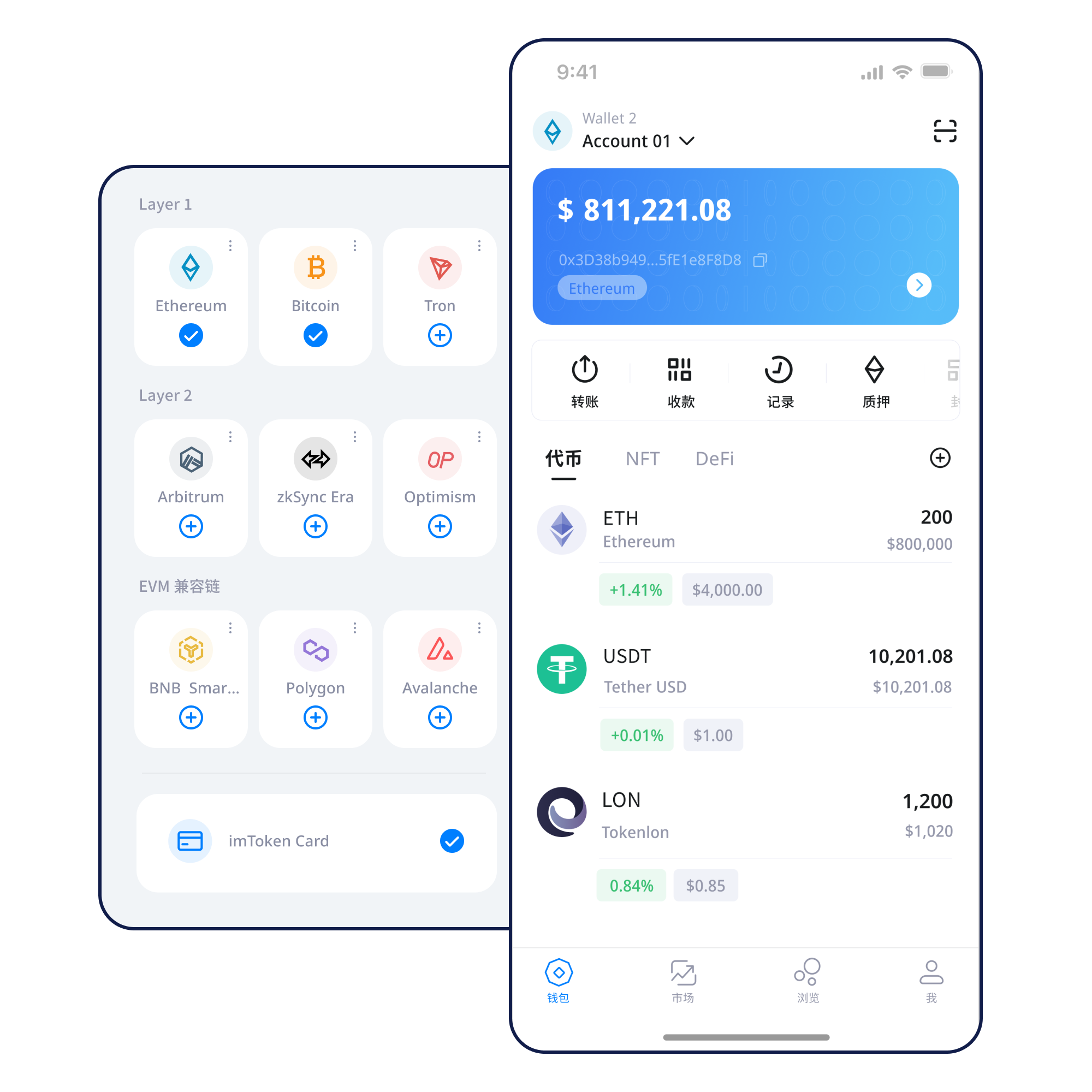
Understand addresses, keys and recovery.
View steps →Keep recovery words offline and away from cloud photos.
Backup principles →Share the intended network together with the address.
How to receive →Review the address, network, asset, amount and gas.
Transfer checks →Verify the domain and inspect each signature or approval.
Connection guide →Network, address, token contract, gas and the transaction hash form the core verification path for multi-chain asset management.
Networks keep independent balances and transaction state. Even when EVM addresses look the same, verify the chain, gas asset and DApp support.
Understand multi-chain →
Review assets, networks and transactions on mobile while reading every signing request before approval.
Explore the App →Check destination, network, asset, amount and gas, then follow the transaction hash after submission.
Learn transfers →Browser connection is for DApp use and approval review. A webpage should never need seed phrases, private keys or verification codes.
Web usage →
Offline backups, device hygiene, signing checks and approval review belong throughout the wallet lifecycle.
Open Security →Core text is server-rendered; JavaScript only switches views and is not required to load the knowledge content.
Each network keeps its own state, so chain name, gas asset and application support need separate checks.
Transaction hashes and block heights let users inspect broadcast, inclusion and confirmation.
Addresses and interfaces can look similar while tokens, balances, gas and approvals remain network-specific.
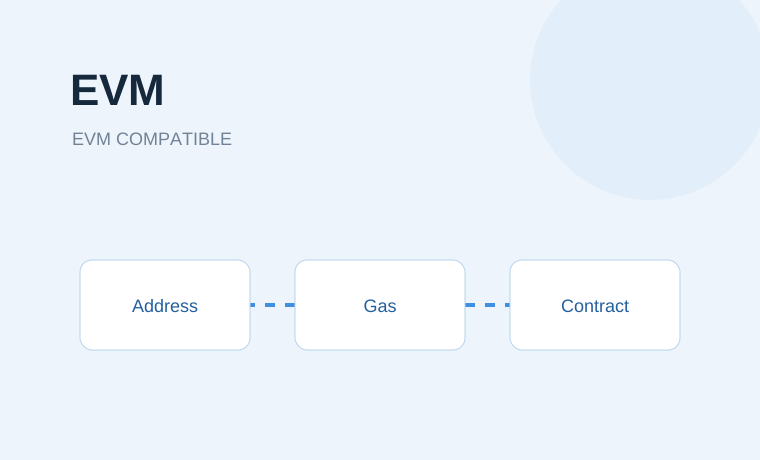
Cross-layer activity can involve bridge contracts, message finality and exit queues.
Fees are not fixed. Inspect the transaction hash before resubmitting a delayed transaction.
Enter the download page from a trusted route and act deliberately.
Understand that importing does not move on-chain assets.
Keep seed phrases offline and never disclose private keys.
Verify chain, gas and application support.
Use a small test before valuable transfers when appropriate.
Save the transaction hash and remove permissions you no longer need.
Connecting a wallet does not mean every signature should be accepted. Review every signing and approval request independently.
Use a trusted route.
Watch for look-alike spelling.
Select the intended account.
Understand the requested public data.
Check target and permission scope.
Verify on-chain results where relevant.
Review on-chain approvals separately.
Seed phrases and private keys stay under user control, and imtoken personnel will never ask for them. Verify address, network and amount before transfers and inspect every signature or approval in third-party DApps. Confirmed on-chain transactions generally cannot be reversed by a wallet.
Open Security Center →Addresses, seed phrases, private keys, networks, gas, transaction hashes, DApps and approvals form the foundation. Understanding how they relate makes wallet prompts easier to evaluate independently.
Start learning →Rewards come from protocol activity, not a fixed interest rate. Exits, withdrawals and waiting periods can change with network conditions.
Explore Ethereum staking →Validators can face protocol penalties, contracts and third-party services carry risk, and digital asset prices can fluctuate.
Learn PoS & validators →Asset state is recorded on the relevant blockchain; the wallet manages addresses, keys and signatures.
No. Screenshots and synchronized photo libraries can increase exposure.
Networks keep separate balances, gas assets and transaction state.
Check the network and transaction hash on the correct explorer before doing anything else.
No. Connection, signing, approval and transactions are separate requests.
No. Rewards, waiting time, validator state and asset prices can all change.
Open the download page, or learn wallet creation, backup and security first.